
Based on the established rights stipulated in the 2014 Egyptian Constitution regarding freedom of opinion and expression, and the prohibition of any measures that may restrict or impede it, and the obligation of public authorities to respect it, we declare, out of a sense of national duty, our complete rejection of the continued imprisonment of thousands of Egyptians on the grounds of their political affiliations, opinions, or peaceful expressions.
Keeping more than six thousand detainees and those held in pretrial detention in Egyptian prisons, on political grounds, is certainly a flagrant violation of human rights, a violation of the constitution and the law, a destruction of the Egyptian social fabric, an attack on the nation’s right to pluralism and diversity, and a perpetuation of the absence of justice.
As the state continues to pursue a systematic plan to restrict public freedoms, it has begun using the justice system as a legal cover to eliminate political life, seize control of the public sphere, and persecute its political opponents. These practices have not spared opposition parties, professional associations, or public figures from across the political spectrum.
In addition to the youth of political parties and civil movements, or journalists and media professionals, or social media users, expressing their opinions has become sufficient reason to deprive them of their freedom.
The grave injustices were not limited to prolonged pretrial detention or arrest without clear charges, but extended to include torture, ill-treatment, enforced disappearance, prevention of visits, abuse of prisoners’ relatives, and depriving some of them of necessary health care, which led to the death of dozens inside detention facilities, in light of complete impunity for the perpetrators of these crimes.
Since the increasing number of prisoners of conscience in Egypt represents a worsening human rights and political crisis, threatens the survival of social peace, undermines the climate of trust in the judicial system, and distorts Egypt’s image before the world, it has become necessary for civil action to salvage what can be salvaged, and to unite human rights, political, and social efforts in order to end this tragic situation.
The continuation of this painful reality, which everyone knows is a painful truth, and for which Egypt has paid a heavy price from its public assets, imposes upon us, the signatories of this statement, a historical responsibility to unite our ranks to confront this imminent danger to the nation. They rejected the continued detention of Egyptians simply for expressing their opinions or peaceful affiliations, and opposed attempts to demonize or criminalize political activism.
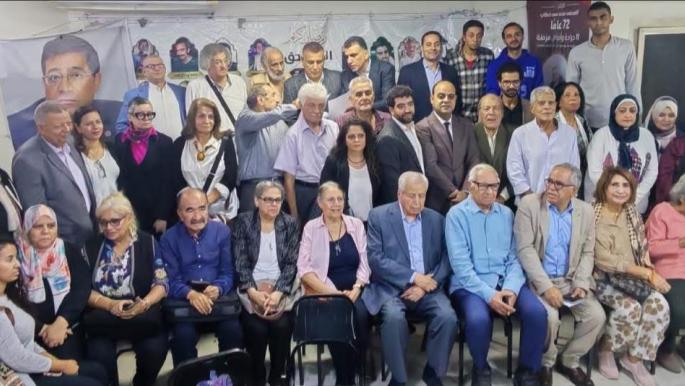
From this standpoint, the political, labor, and human rights forces united in this statement have convened and agreed to establish this human rights entity, under the name:
The Popular Committee for the Defense of Prisoners of Conscience, under the slogan “Egypt Without Prisoners of Conscience,” believes it is essential to emphasize that the national project of any citizen will not be complete unless they enjoy all their constitutional rights, without any confiscation or restriction, foremost among them freedom of opinion and expression, and legitimate political affiliation under the constitution and the law.
To achieve this goal, the committee has defined the following priorities:
1. To exert pressure through various media, social, and political channels to secure the release of all prisoners of conscience and to express unbiased solidarity with all victims of oppression and tyranny.
2. To monitor and document human rights violations related to freedom of opinion, expression, or political participation.
Providing legal and human rights support to victims of political cases and specialized human rights organizations.
4. Defending the legitimate legal and human rights of prisoners of conscience and ensuring that no citizen is detained because of their political affiliation or beliefs.
6. Cooperating with media outlets and civil society to expose the measures taken against prisoners of conscience and hold official bodies accountable for their legal responsibilities.
7. Issuing periodic reports on the conditions of prisoners of conscience and disseminating them widely through various media outlets, and informing international organizations of their responsibilities.
Finally, this committee affirms its commitment to carrying out its activities with complete objectivity and independence, and to the legal and human rights efforts of all its members.
