
This report monitors 87 protests during the period from May to August 2025. The highest rate of protests during this period is July with 44 protests, representing 53.12%, followed by May with 20 protests, representing 21.87%, then June and August with 14 and 9* protests respectively.
The organization had recorded 96 protests during the period from January to April 2025, bringing the total number of protests to 183 during the period from January to August.
First: Geographical Distribution of Protests
Protests were recorded during this period across 12 governorates. These include 3 governorates in the Greater Cairo region (Cairo, Qalyubia, and Giza), Alexandria, and 4 governorates in the Delta region: Sharqia, Gharbia, and Daqahliya.
Two governorates in Upper Egypt are Fayoum and Aswan, and the governorates of Ismailia, New Valley, and North Sinai.
The highest number of protests geographically was in Cairo Governorate with 61 protests, representing 71.11%, followed by Giza with 4 protests, representing 4.59%, then Gharbia and North Sinai with 3 protests, representing 3.44%, followed by the governorates of Alexandria, Sharqia, Ismailia, and Aswan.
With two protests each (2.29%), followed by the governorates of Qalyubia, Daqahliya, Fayoum, and New Valley, each with one protest (1.14%).
In addition, there were four nationwide protests by lawyers, including strikes in front of the courts and sit-ins, against the increase in court fees.
At the geographical level, the three governorates of Cairo accounted for 66 protests, representing 75.86%, followed by the governorates of Lower Egypt plus Alexandria with 9 protests (10.43%), then the governorates of Upper Egypt with 3 protests (Aswan and Fayoum) (3.44%), followed by Ismailia with 2 protests (2.29%).
: Second – Forms of Protest
The most frequently used form of protest was the hunger strike, with 38 strikes during the reporting period, representing 43.67%. This was followed by sit-ins, with 23 protests, representing 26.43%; the highest number of these occurred in May with 8 protests.
In third place came appeals and petitions with 8 protests, representing 9.19%, followed by strikes with 6 protests, representing 6.89%, and in fourth place, sit-ins with 3 protests, representing 3.44%, followed by the tools of demonstration, gathering, organizing a solidarity day and party conferences with 2 protests each, representing 2.29%.
This was followed by “labor complaints, attempted suicide, and holding general assemblies,” with one protest case each, representing 1.14%.
:Thirdly – Classification of protest forces
The protest forces varied considerably during this period. At the forefront were the protests organized by prisoners, with 38 protests (43.67%), most of which were organized during July in Badr 3 prison, in protest against prison conditions and the ban on visits. Most of these protests were led by leaders of the Muslim Brotherhood. Labor forces followed with 12 protests (13.73%).
In third place were protests by lawyers in response to the Bar Association’s demands and in protest against the imposition of fees on lawyers’ work, with 10 protests representing 11.49%. Following in fourth place were protests by residents in several areas, most notably North Sinai and Ezbet El-Haggana in Cairo, with 5 protests representing 5.74%.
Following in fifth place are protests by political and partisan forces with 7 protests, representing 8.04%, followed by protests by the families of detainees and prisoners with 4 protests, representing 4.59%; followed by protests by journalists with 3 protests, representing 3.44%, followed by protests by Arab and foreign activists participating in the Steadfastness Convoy with 2 protests, representing 2.29%.
Fourth – Reasons for the protests:
The protests expressed various reasons and diverse demands, the most important of which were those related to freedoms and human rights, as follows:
First: Demands related to the treatment of prisoners came first with 38 protests (43.76%), of which 37 protests were due to violations of prisoners’ rights, prevention of visits and treatment, and failure to provide the minimum requirements for life.
Calls for the release of prisoners of conscience came through 12 protests, representing 13.73%, including 7 protests related to the release of activist Alaa Abdel Fattah, which coincides with the complete hunger strike carried out by Mrs. Laila Soueif, Alaa’s mother, for months, which threatened her life.
Two other demands relate to a presidential pardon for activist Mohamed Adel and allowing him to complete his postgraduate studies from inside prison, in addition to two calls for the release of prisoners of conscience and those in solidarity with the Gaza Strip and the Palestinian people against the genocidal war being waged by the Israeli occupation.
In addition, residents of Bilqas in Daqahliya Governorate demonstrated to demand the truth about the death of young Ayman Sabry under torture at the Bilqas police station.
Secondly: Demands related to workers’ rights had a significant impact during this period, with 13 protests representing 14.94%, through wage increases, job security, payment of delayed wages and bonuses, rejection of arbitrary measures against workers and arbitrary dismissal from work, demanding their reinstatement, and the necessity of implementing the minimum wage. Demanding the implementation of procedures for appointing temporary journalists in national institutions, and protesting the ban on fishing in Lake Bardawil.
Third: Lawyers’ protests continued in various governorates, with a total of 10 protests, 8 of which emphasized their rejection of increases in court fees. They organized a number of protests, including 8 nationwide, 4 of which were organized at the national level.
Fourth: The issue of the Palestinian people and the war of extermination waged by the occupation was the subject of several protests, amounting to 6 protests, representing 6.89% of them, which were carried out by Arab and foreign activists in the context of joining the steadfastness convoy that intended to go to the Rafah crossing in solidarity with the Palestinian people
Fifth: The report monitors a number of protests carried out by the residents, reaching 7 protests, representing 8.04%, including 4 protests to reject the forced displacement from their homes in Ezbet El-Hagana and the Arish area in North Sinai, in addition to the rejection by the residents of Amal and Qadisiyah lands of the control over their lands.
Thousands of tenants protested by signing a petition against the new rent law, demanding that the president not ratify it. Additionally, residents of Belqas in Daqahliya Governorate demonstrated against the death of a citizen at the Belqas police station, allegedly due to torture. Furthermore, parents at several experimental schools protested the placement of their children away from home.
Sixth: Some of the other reasons that prompted the protest were related to health reasons, including a protest by patients of Hermel Hospital for Diseases due to the delay in implementing decisions on treatment at the expense of the state, and another protest by some journalists against the delay in dispensing health insurance medicines, and another related to education and the protest of parents due to their children being placed in schools far from their homes.
A third demand is that the President of the Republic not ratify the new rent law, and another is a student protest by students of Zagazig University over the death of their fellow student and the demand to investigate the incident.
: Labor protests
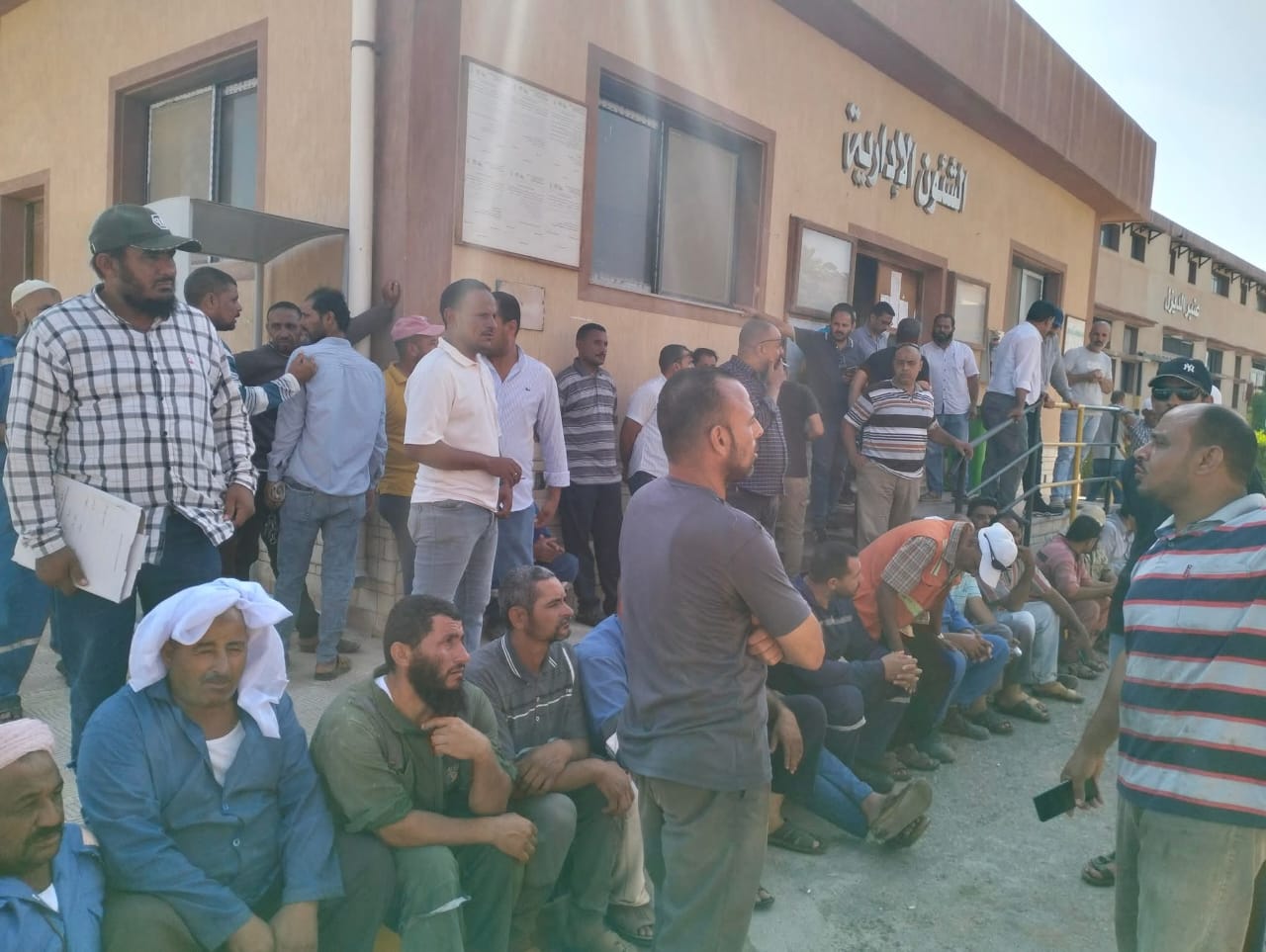
From our analysis of these labor protests, we find an increase in their size, as they reached 13 labor protests in 7 governorates, including 8 protest vigils, 4 work strikes, in addition to a labor complaint.
Labor protests took place in several governorates, including Cairo and Giza with 3 protests each, followed by Alexandria and Aswan with 2 protests each, followed by Gharbia, Fayoum, and North Sinai with one protest each.
The protests took place in several departments and companies, including the Agricultural Bank, whose employees protested against their arbitrary dismissal and who organized 3 protests in May, the Alexandria Water Company, the United Company for Pharmacists in Cairo, the employees of Al-Akhbar newspaper, and the workers of the Edfu and Kom Ombo sugar factory in Aswan.
The strikes came from a number of companies, including: Samannoud Spinning and Weaving Workers, Ceramica Innova in Fayoum, Al-Amiriya Spinning and Weaving, Bardawil Fishermen, and finally, a complaint from the workers of the Egyptian Wholesale Company.
The workers’ main demands focused primarily on financial matters, specifically the implementation of the minimum wage, a key issue that remains unresolved despite presidential decrees mandating its application in the private sector.
In addition, they demanded an increase and disbursement of annual bonuses, and the implementation and payment of incentives and allowances for workers.
It also focused on labor relations by rejecting the arbitrary dismissal of workers and advocating for the permanent employment of temporary workers,
in addition to demanding equal pay for workers in factories belonging to the same holding companies.
: Professional protests
Lawyers organized 10 protests that varied between striking in front of criminal and appeals courts nationwide, protest vigils, sit-ins, holding general assemblies to protest and increase fees for computerized services in appeals courts in various governorates. The locations of these protests were the headquarters of the primary and partial courts and their union headquarters.
A number of lawyers also expressed solidarity with Dr. Laila Soueif, the mother of activist Alaa Abdel Fattah, by submitting a request to the Public Prosecutor for Alaa’s release.
Additionally, several journalists joined political and partisan groups in a number of protests held in front of their respective union headquarters.
n the presence of a number of political activists in solidarity with the Palestinian people, temporary journalists at national newspapers organized two protest vigils demanding that decisions be issued to appoint them.
: Thirdly: Hunger Strikes
The reporting period witnessed the largest number of hunger strikes, reaching 38, including 36 strikes by prisoners in Wadi El Gedid Prison and Badr Prison, most of whom were leaders of the Muslim Brotherhood who have been imprisoned for 12 years, including Dr. Mohamed El-Beltagy and former ambassador Mohamed Refaa El-Tahtawy, in protest against the ban on visits. The deterioration of healthcare and the denial of their rights within the prison. In addition, there were two hunger strikes in May, including the strike of activist Mohamed Adel, a former leader in the April 6 Movement, in protest against his being prevented from completing his studies during his imprisonment in the Tenth of Ramadan Prison. In addition, May witnessed the return of Dr. Laila Soueif to a total hunger strike.
: Recommendations of the Institution
1. Respect the right to demonstrate and assemble peacefully, as stipulated in Article 72 of the Constitution.
2. Work to remove practical obstacles placed in the way of exercising the right to demonstrate, whether by judicial officials or police departments.
3. Respect the right to assemble peacefully in designated demonstration areas without prior notification. These are the provisions of Law 107 of 2013 concerning demonstrations.
4. Cease all attacks by security forces against demonstrators and adhere to the provisions of the law by issuing warnings first.
5. Cease the arrest of citizens exercising their rights to peaceful assembly and demonstration.
